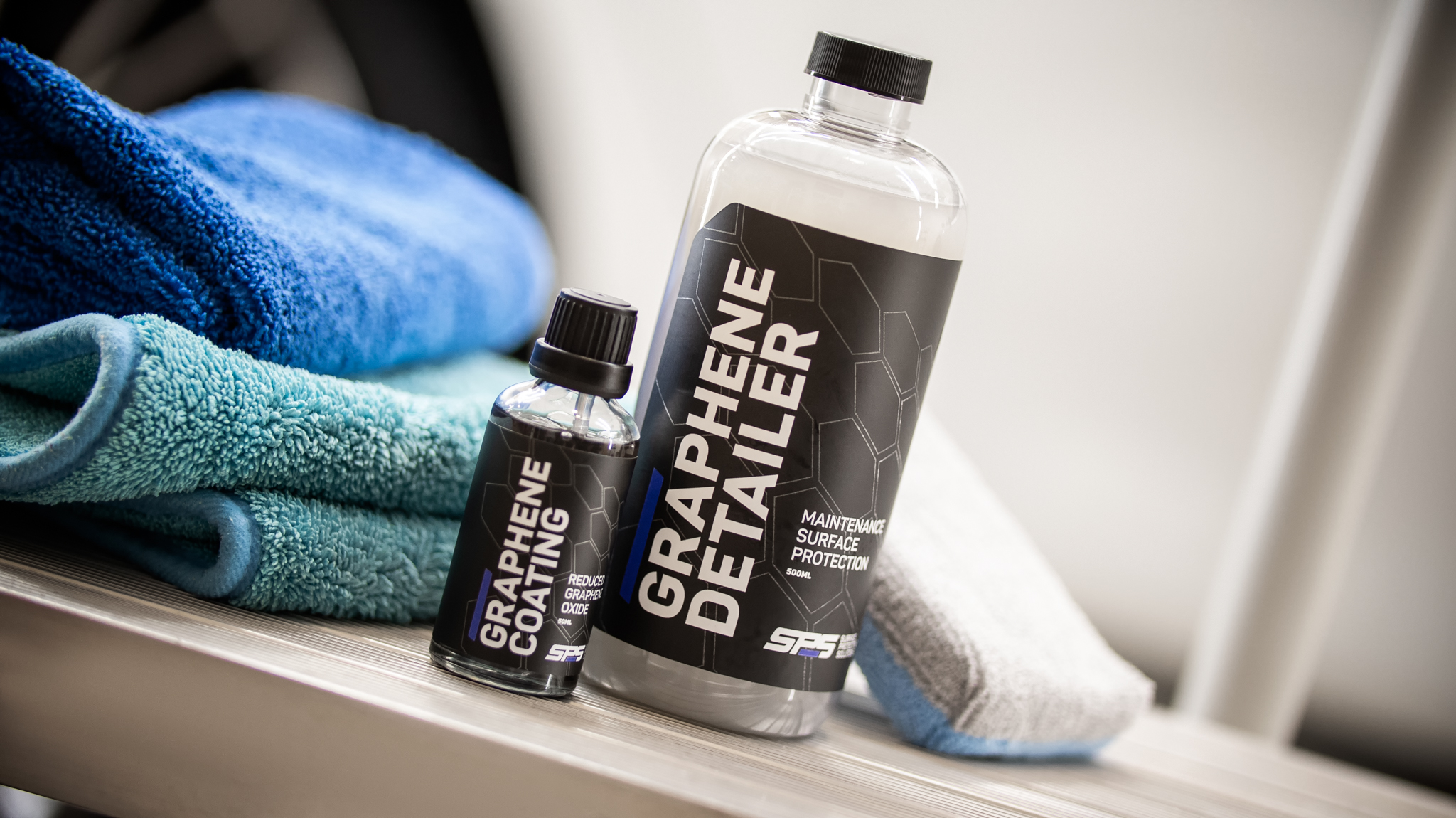
Graphene Vs Ceramic
Graphene vs Ceramic Coating — Which Offers Better Protection for Your Car?
Introduction
When it comes to protecting your car’s paint, ceramic coating has long been the go‑to solution. But now, graphene coating is making waves in the detailing industry. Which one is better for your vehicle? Let’s break down the differences.
What Is Ceramic Coating?
Ceramic coating is a liquid polymer applied to a car’s exterior. It bonds with the paint to create a protective layer that resists dirt, water, and UV rays. It’s known for its glossy finish and durability.
What Is Graphene Coating?
Graphene coating is the latest advancement in car protection. Made from carbon arranged in a single‑atom layer, graphene is stronger than steel yet incredibly lightweight. When applied to vehicles, it creates a slick, durable shield that outperforms traditional ceramic coatings.
Key Differences
Durability: Graphene coatings last longer and resist water spotting better than ceramic.
Gloss: Both offer deep shine, but graphene’s finish tends to be richer and more reflective.
Heat Resistance: Graphene dissipates heat more effectively, reducing the risk of paint damage.
Ease of Maintenance: Graphene’s slick surface makes cleaning faster and easier.
Which Should You Choose?
If you want proven protection, ceramic is still a solid choice. But for drivers looking for cutting‑edge technology, longer lifespan, and superior resistance to harsh conditions, graphene coating is the clear winner.
